A Buyer’s Walkthrough: What to Know About a 21kPa Portable Carpet and Fabric Spot Cleaner
Some purchases are easy to picture. You know what a toaster does and roughly what you expect from it. A portable carpet and fabric spot cleaner is a little different, because the name covers a wide range of machines, and the listings describing them often lean on a single impressive-looking number. In this case, the number is 21kPa.
The product described in this article is listed simply as a Portable Carpet Cleaner Machine, a 21kPa Fabric Spot Cleaner Machine. The title is short, and it leaves a number of questions open. What does the number mean? What can a machine like this realistically do? Where does it fit next to the larger machines people rent or buy? And since the title does not name a brand, how should a careful shopper approach it?
This guide works through those questions in plain language. It is meant as general education, not a recommendation, and it should be read alongside the actual product listing, the manual, and any support information from the seller, which remain the best sources for exact specifications and safety instructions.
What the Title Does and Does Not Tell You
“Portable”
Portable simply means the machine is designed to be carried to the mess. It points toward use on small areas, stairs, upholstery, and car interiors rather than on wide stretches of floor.
“Carpet Cleaner Machine” and “Fabric Spot Cleaner Machine”
The title uses both phrases, which suggests the machine is intended for carpets as well as fabric surfaces such as upholstered furniture. The exact surfaces the manufacturer supports will be described in the listing and manual. Not every fabric tolerates water-based cleaning, so the manufacturer’s guidance and the care labels on your own items should always lead.
“21kPa”
The kPa figure stands for kilopascals, a unit that describes suction pressure. A higher figure is often used in marketing to suggest stronger suction. It is a helpful clue about the machine’s design, but it is only one of many factors that affect results. Others include the shape of the nozzle, how liquid is sprayed and recovered, tank design, the condition of filters, and the technique of the person using it. Comparing two machines on kPa alone can be misleading, particularly because manufacturers may measure and present such figures in different ways.
What Is Not in the Title
Notice what the title leaves out: a brand name, a model number, tank sizes, power details, included accessories, and cleaning solution information. All of those matter, and they should be found on the full listing page or in the manual. If any of them are hard to find, that is worth noting before you decide.
How Portable Spot Cleaners Work
Understanding the basic process helps put the numbers in context.
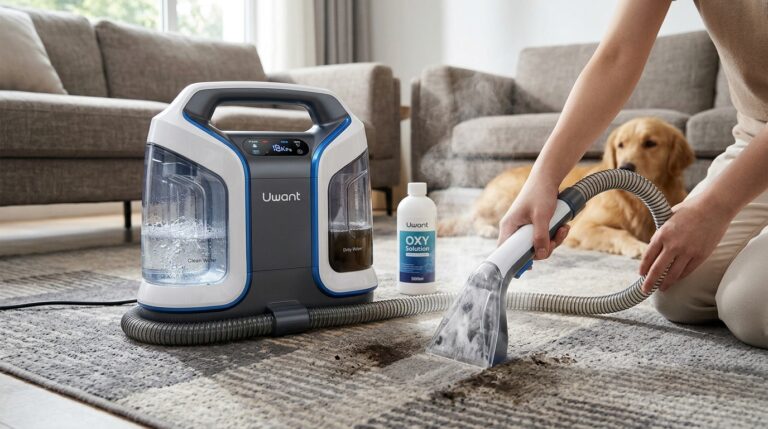
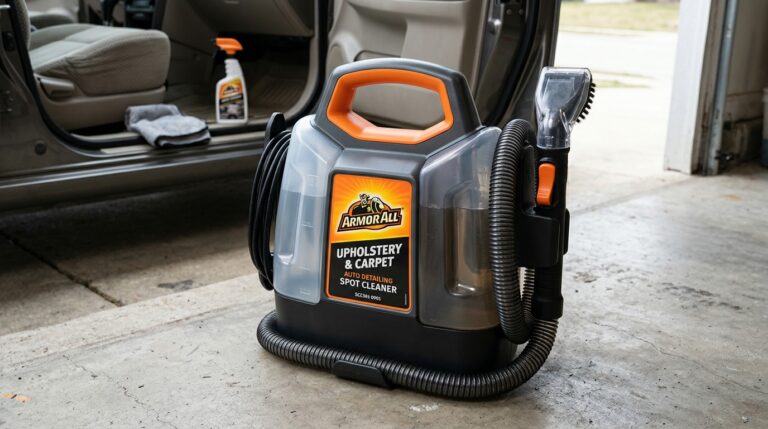
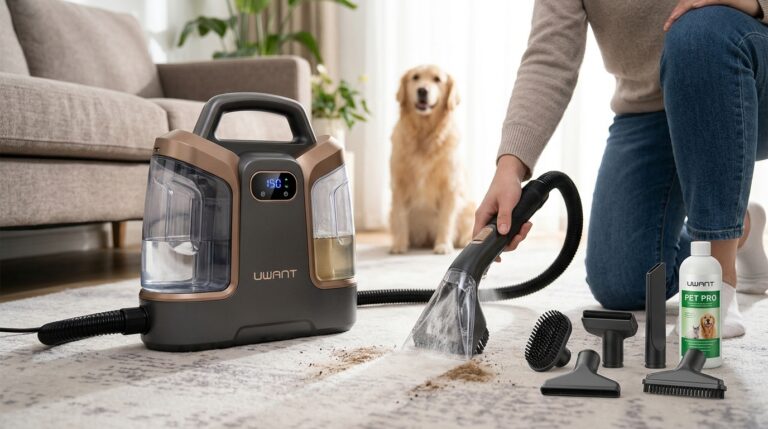
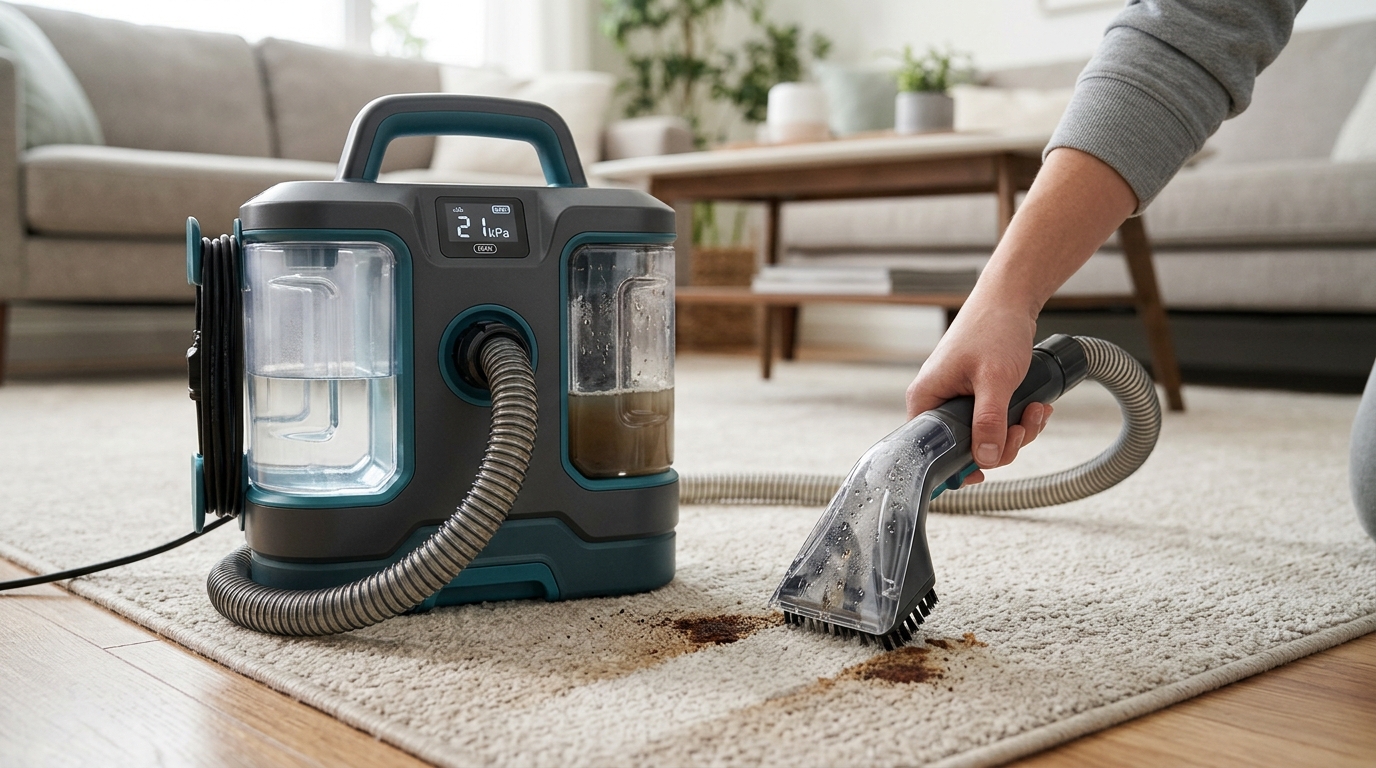
A portable spot cleaner typically has two tanks, one for clean water or a cleaning mixture and one for recovered dirty liquid. When you press the trigger on the hose or handheld tool, the machine sprays liquid onto the surface. Suction then pulls liquid and loosened material back through the nozzle into the dirty tank. Some tools include bristles or textured edges that help agitate the fibers.
The idea is to apply a measured amount of cleaning liquid and then recover as much of it as possible, rather than leaving the fabric soaked. That is why extraction and drying time are at the center of how people judge these machines. A machine that recovers more liquid generally leaves less moisture behind, although the material, the temperature, and the airflow in the room also affect drying.
Key Features Worth Understanding
Suction Strength
The 21kPa claim is the headline feature. It suggests the machine is designed to prioritize extraction. Whether that translates into noticeably better performance depends on the full system. When comparing machines, it helps to read how the manufacturer describes the nozzle and recovery process, not just the number.
Compact, Hand-Carried Format
Portability makes it easier to bring the cleaner to a stain on a staircase, in a bedroom, or in a vehicle. It also makes storage simpler, which matters in apartments or small homes.
Hose and Hand Tools
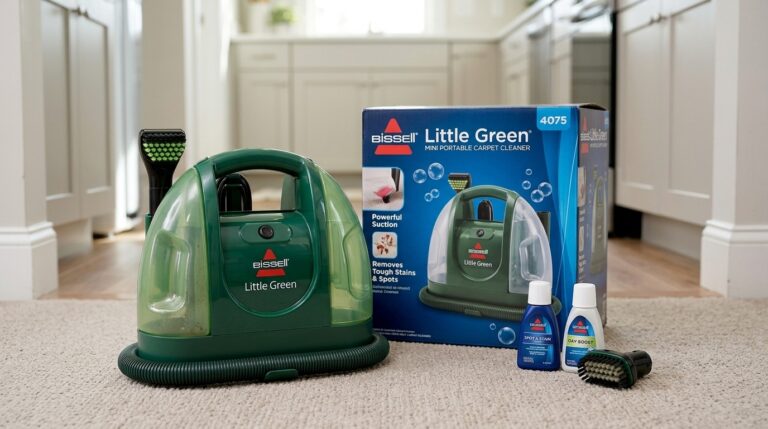
Most machines in this category include a hose with a handheld tool. The shape of the tool influences how easily you can reach corners, cushions, and stair edges. The listing should specify exactly which tools come in the box, and the images can help you picture how they are used.
Two-Tank Design
A clean-tank and dirty-tank arrangement lets you see what the machine recovers and makes refilling straightforward. It also means regular upkeep. Rinsing the dirty tank after use is a basic habit that helps prevent odors.
Compatibility With Cleaning Solutions
These machines are designed to work with particular types of cleaning liquid. Using unsuitable products can lead to foaming, residue, or damage, so the manual’s recommendations deserve attention.
Corded or Cordless Operation
The power source affects where and how long you can use the machine. Corded models rely on an outlet and the length of the cord, while cordless models depend on battery capacity. The listing should make this clear, and it is worth checking, since it shapes how practical the machine will be for your home.
Common Ways People Use Portable Fabric Cleaners
Spills and Stains on Carpet
Coffee, juice, sauces, and muddy shoe prints are the usual reasons people reach for a spot cleaner. Acting soon after a spill, blotting excess liquid, and then using the machine as directed is a common approach.
Sofas, Armchairs, and Cushions
Upholstery collects everyday grime and the occasional spill. Because fabrics vary, check the cleaning code on the furniture label and the machine manufacturer’s guidance. Some furniture should only be cleaned with specific methods, and some should be left to professionals.
Stairs
Stair carpet is a classic use case, because a large machine is awkward on steps while a handheld tool on a hose is manageable.
Car Seats and Floor Mats
Vehicles collect crumbs, dirt, and spills. A portable machine can be used for touch-ups when a safe power source is available and the manual allows it.
Mattresses and Bedding Surfaces
Some people use portable cleaners on mattress surfaces for spot treatment. Manufacturers differ on whether this is recommended, so follow the manual and the mattress maker’s care instructions, and allow plenty of time for drying.
Rugs and Entryways
Entryway mats and area rugs collect dirt and moisture. Check the rug’s care instructions first, since some materials and backings are sensitive to water.
Household Accidents With Pets or Children
Messes from pets and little ones are among the most common reasons people look at these machines. Prompt attention, appropriate solutions, and good drying practices are the main ingredients. Keep pets and children away from wet areas and cleaning products, and store cleaners safely.
Who May Find This Type of Machine Suitable
People who face frequent small messes. If most of your cleaning needs involve a patch of carpet or a single cushion, a compact machine matches the job.
Households with pets or children. Accidents are more common, and quick cleanup tools can reduce stress.
Apartment and small-home residents. Storage space is often limited, and portable machines take up less room than full-size ones.
Car owners. Being able to carry the machine to the driveway makes it easier to treat seats and mats.
People who already own a vacuum and want a wet-cleaning companion. A spot cleaner is not a replacement for vacuuming, but it complements it.
Renters looking after carpets and furniture. A compact machine can help with upkeep without the commitment of a large appliance.
A portable cleaner is less suitable for those who want to deep-clean entire rooms regularly, for people whose homes are mostly hard flooring, or for anyone who prefers to rely on professional services for delicate rugs and valuable furniture.
Important Things to Consider Before Ordering
Identify the Manufacturer
Because the title does not name a brand, spend a moment on the listing page to see who makes and sells the machine. Look for the brand name, the seller’s information, and any model number. Knowing who stands behind a product makes it easier to find manuals, replacement parts, and support if you need them.
Look for a Manual and Support Information
A good listing makes it easy to find instructions, warranty terms, and a way to contact the seller. If you cannot find these details, the seller can often answer questions before you order.
Treat the kPa Number With Care
A single specification is not a complete picture. Read how the machine is described overall, including tank sizes, nozzle design, included tools, and power source, and consider how those features fit the way you plan to use it.
Confirm What Is Included
Check the list of items in the box: hose, tools, brushes, cleaning solution, filters, and any other parts. If a sample solution or accessory is mentioned in the images but not in the description, ask the seller to confirm.
Check Compatibility With Your Surfaces
Look at the care labels on carpets, rugs, and upholstery. If a label warns against water or certain products, follow it. For anything delicate or valuable, a professional cleaner may be a better choice.
Test in a Hidden Spot
Before cleaning a visible area, try the machine and solution on a small, inconspicuous section. Watch for color change, texture change, or shrinkage after the area dries.
Use Recommended Solutions
Use the cleaning products the manufacturer recommends, in the amounts specified. Avoid mixing different products unless the instructions explicitly allow it.
Keep Expectations Realistic
Outcomes depend on the type of stain, its age, the fabric, and any earlier treatments. Some marks may need repeated attention, and some may not come out completely. A cleaning machine is a tool, not a guarantee.
Allow for Drying Time
Water-based cleaning leaves fabric damp. Ventilation and airflow help, and leaving surfaces wet for too long can create odors. Keep people and pets off damp areas until they are fully dry.
Follow Electrical Safety Guidance
Machines that combine water and electricity require careful handling. Keep cords and plugs away from water, unplug before emptying tanks or doing maintenance, and use the machine only in the ways the manual describes.
Plan for Maintenance
After each use, empty and rinse the dirty tank, check filters and brushes for debris, and let everything dry before storing the machine. Regular care helps prevent odors and keeps suction performing as intended.
Think About Ongoing Supplies
Cleaning solution, filters, and replacement brushes are recurring needs. Check which ones the manufacturer recommends and whether they are easy to obtain.
How Portable Spot Cleaners Compare With Other Approaches
No single approach is right for every household. Here is how the general categories stack up.
Portable Extraction Spot Cleaners
These are small, easy to store, and designed for localized messes and upholstery. Their smaller tanks mean more refilling on larger jobs, and they are not intended for quickly cleaning whole rooms.
Full-Size Carpet Cleaners
These machines handle large areas faster and are built for deeper, wider cleaning. They take up more space, are heavier to move, and can feel like too much for occasional small spills.
Handheld Battery-Powered Cleaners
Cordless devices are convenient for quick pickups. Capabilities and runtime vary, so it is important to check what a specific device is built to do.
Wet-Dry Vacuums
Some wet-dry vacuums can pick up liquid spills, but they do not necessarily apply and extract cleaning solution in the same way as dedicated carpet cleaners. They serve a different purpose.
Stain Removers and Manual Methods
Blotting and using stain-removing products by hand requires no machine and suits many small mishaps. It depends on effort and technique and does not extract liquid.
Rental Machines
Renting a full-size cleaner for an occasional deep clean avoids owning one, though it involves pickup, return, and a limited rental window.
Professional Cleaning Services
For large areas, delicate rugs, or valuable furniture, professionals offer experience and equipment. They cost more per job and require scheduling.
Good Habits for Better Results
Vacuum before you clean. Removing loose dirt and hair keeps the machine’s brushes and filters clearer and prevents mud.
Blot spills promptly. A clean cloth lifts excess liquid without pushing it deeper.
Work slowly. Moving the tool in slow, overlapping passes gives the suction time to recover liquid.
Use the amount of solution recommended. Too much can leave residue that attracts dirt.
Treat one section at a time. Smaller areas are easier to control and dry more evenly.
Clean the machine afterward. Rinse tanks, check brushes and filters, and let parts dry before storage.
Ventilate the room. Open windows or run a fan to help cleaned areas dry.
Keep the manual accessible. A quick reference for settings, maintenance, and troubleshooting saves time later.
Frequently Asked Questions
What does 21kPa mean?
It is a unit of suction pressure. A higher number can suggest stronger suction on paper, but real results depend on the machine’s overall design, the material being cleaned, and how it is used.
Does the title tell me which brand makes this machine?
No, it does not name a brand. Check the full listing page for the manufacturer, model number, and seller information, and look for a manual and support details.
Can it clean an entire room of carpet?
Portable spot cleaners are generally designed for small areas, stairs, upholstery, and car interiors. For large areas, a full-size machine or a professional service may be more practical.
Is it suitable for upholstery?
Many upholstered items can be cleaned with water-based methods, but some cannot. Check the care label on the furniture and the manual for the machine, and test in a hidden spot first.
Will it remove every stain?
No machine can promise that. Results depend on the stain, the material, and how long it has been there. Some stains may need repeated treatment or may not fully disappear.
What cleaning solution should I use?
Use the solution the manufacturer recommends, following its dilution and safety directions. Other products can cause foaming, residue, or damage.
How long does it take for cleaned areas to dry?
Drying time depends on the amount of moisture, the thickness of the material, temperature, and airflow. Allow plenty of time, and keep people and pets off the area until it is dry.
Is it safe to use around pets and children?
Keep pets and children away from wet areas and cleaning products while you work and until surfaces are dry. Store solutions out of reach and follow label directions.
Do I need to empty the tanks every time?
Manufacturers generally recommend emptying and rinsing the dirty-water tank after each use and letting the machine dry before storing it. Follow the instructions for your model.
What should I do if suction seems weak?
Check that the tanks are seated correctly, that the dirty tank is not full, and that no debris is blocking the hose, nozzle, or filter. The manual’s troubleshooting section and the seller’s support team can help with ongoing issues.
Where can I find reliable specifications?
The product listing, the packaging, and the manufacturer’s website, if one is provided, are the best sources. They describe included items, power, capacities, and safety information in the producer’s own words.
Final Thoughts
A portable carpet and fabric spot cleaner can be a practical addition to a household that deals with small, unpredictable messes. The 21kPa figure in this listing is an attention-grabbing detail, but it is best treated as one clue among many rather than as the whole story.
Before ordering, take a few minutes to find out who makes the machine, what is included, how it is powered, and what the manufacturer says about suitable surfaces and solutions. Check the care labels on your own carpets and furniture, plan for drying time, and keep expectations realistic about what any spot cleaner can achieve. With those steps in place, the decision becomes much easier, whichever machine you eventually choose.