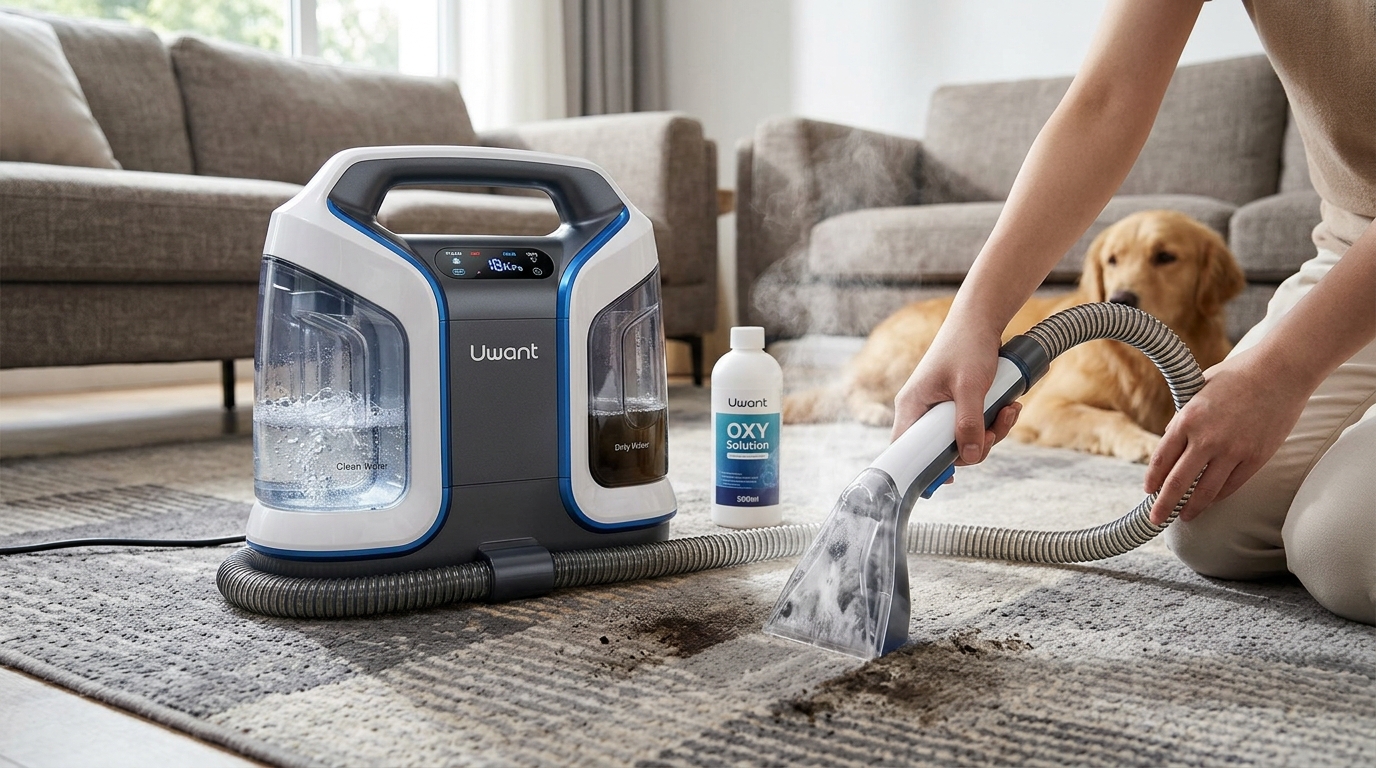
Steam, Hot Water, or Cold? Understanding the Uwant Carpet Cleaner Machine With Three Water Modes
Most people think of carpet cleaning as a simple question of water and suction. Once you start browsing machines, though, the vocabulary expands quickly. Some units mention heated cleaning. Others talk about steam. A few offer a choice of temperatures, and the listings are full of numbers and ingredient names that seem to assume you already know what they mean.
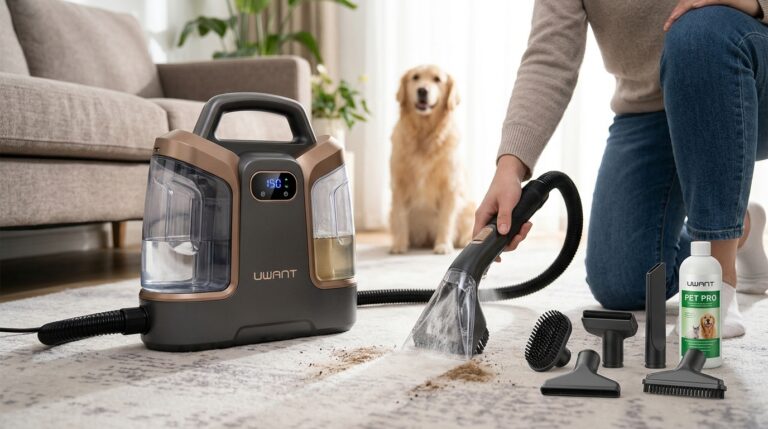
The Uwant Carpet Cleaner Machine, sold as a set of one, falls into that more detailed end of the market. Its title mentions steam, hot water, and cold water modes, an 18kPa suction rating, an OXY solution, and uses on carpets, sofas, and pet messes. That is a lot to take in at a glance.
This article is a plain-language guide to what those terms generally mean, how a machine with several temperature options might be used around the house, and what is worth checking before you decide. It is educational information, not an endorsement, and it does not replace the manufacturer’s manual or the product listing, which are the right sources for exact specifications, safety instructions, and included accessories.
Reading the Title Piece by Piece
“Steam & Hot & Cold Water Modes”
The title suggests the machine lets you choose among different water temperatures. Cold water, hot water, and steam are three different approaches to the cleaning process, and each has its place. How the machine produces heat, what temperatures it reaches, and whether steam is applied directly to the surface or used in another way are all described by the manufacturer. It is worth reading those details rather than assuming how the modes work.
“18KPa Powerful Suction”
The kPa figure refers to kilopascals, a unit that describes suction pressure. A higher number can suggest a stronger pull on paper, but actual results depend on the nozzle design, how much liquid is applied, the condition of filters and tanks, the material being cleaned, and the nature of the mess. The figure is a helpful clue, not a promise.
“OXY Solution”
This suggests that a cleaning solution with an oxygen-based formula is included or recommended. Oxygen-based cleaners are commonly used for general stain and odor care on fabrics, but they are not suitable for every material or color. The product label and manual will give directions, dilution ratios, and warnings. It is smart to read them closely.
“Upholstery Cleaner for Carpet, Sofa & Pet Messes”
This tells you the manufacturer positions the machine for carpets, upholstered furniture, and pet-related cleanup. Whether it suits a particular item still depends on that item’s care label and material.
“Portable”
A portable machine is built to be carried to the mess. It is generally better suited to spots, stairs, furniture, and car interiors than to cleaning an entire floor.
“Set of 1”
You receive a single machine. Accessories and solution included with it are described on the listing page.
A Quick Look at How Water Temperature Affects Cleaning
Temperature is one of the more interesting parts of this product, so it deserves a closer look.
In many cleaning situations, warmer water helps dissolve certain residues and can make some cleaning solutions work more effectively. That is why dishwashers and washing machines offer heated cycles. Cold water has its own advantages, particularly for fabrics that are sensitive to heat or dyes that may bleed when warmed. Steam adds another option, using heat in vapor form, which some people find useful for loosening material on certain surfaces.
What makes this tricky for carpets and upholstery is that fabrics respond differently to heat. Natural fibers, synthetic blends, backing materials, adhesives, and dyes can all react in different ways. Some items are labeled as safe for hot-water cleaning, while others specifically warn against it. A machine with temperature choices gives you flexibility, but it also puts more responsibility on the user to match the setting to the material.
In practical terms, that means a few things:
- Check the care label on carpets, rugs, and furniture before choosing a mode.
- When in doubt, start with the gentler option and test on a hidden area.
- Follow the manufacturer’s guidance about which surfaces suit which modes.
- Remember that heat is not a replacement for proper technique, drying time, and ventilation.
Key Features Worth Understanding
Multiple Temperature Options
Having more than one mode can be useful for households with varied surfaces. A sofa with delicate fabric may call for a different approach than a durable synthetic carpet. The manual should explain what each mode is intended for and any limits on where it can be used.
Suction Designed for Extraction
Machines of this type spray cleaning liquid and then pull it back out. Stronger extraction generally means less moisture left in the material, which can reduce drying time. How well that works in practice depends on technique, such as moving the tool slowly and overlapping passes.
An Oxygen-Based Cleaning Formula
An included solution can simplify the first purchase, since you have something to use right away. Remember that cleaning formulas are a continuing supply, so check how easy they are to find and what the manufacturer recommends. Avoid mixing products unless the instructions explicitly allow it.
Versatility Across Surfaces
The title references carpets, sofas, and pet messes. Machines marketed this way usually come with hoses and tools meant for stairs, cushions, and corners. The listing should specify what is in the box.
Portable Design
Portability matters when messes are scattered around the house, in the car, or on stairs. It also affects storage, since a compact machine is easier to tuck away than a full-size unit.
Two-Tank Convenience
A clean-water tank and a dirty-water tank are standard in this category. They let you see what has been recovered and make it easy to refill and empty the machine, though regular rinsing is part of the upkeep.
How People Commonly Use Machines Like This
Everyday Carpet Spots
Spilled coffee, juice, food drops, and muddy footprints are the usual suspects. A portable machine allows you to deal with them without hauling out a larger cleaner.
Sofas and Upholstered Chairs
Furniture picks up spills, body oils, and general grime over time. Because upholstery varies widely, check the cleaning code on the furniture’s label. Some fabrics should be cleaned only with water-based methods, others only with solvents, and some should not be treated at home at all.
Pet Messes
Accidents, muddy paws, and shed hair are part of life with animals. A machine with a pet-friendly positioning and an oxygen-based solution is aimed at these situations. Always follow label directions, keep pets away from wet areas and cleaning products until surfaces are dry, and consult a veterinarian with any concerns about a particular product.
Stairs
Stair carpeting collects dirt and pet hair, and it can be awkward for large machines. A handheld tool on a hose can make the job easier.
Car Interiors
Seats and floor mats in vehicles often collect spills and mud. A portable machine can be used here when a safe power source is available and the manual allows it.
Seasonal Refreshes and Moves
Before or after a move, or when the seasons change, a thorough cleaning of high-traffic spots can make a home feel fresher. Results depend on the material and the age of the marks.
Who May Find This Style of Machine Suitable
Homes with a mix of surfaces. If you have carpets, rugs, and fabric furniture, a machine with different modes offers some flexibility.
Pet owners. The pet-oriented positioning and oxygen-based solution speak to a common set of needs.
Families with young children. Spills happen often, and having a portable machine on hand can help.
People who like to understand their tools. Machines with multiple modes reward readers who are happy to study the manual and match the right setting to the right job.
Those who want a secondary machine. Some households already have a full-size cleaner and want something smaller for quick jobs.
Renters and small-space dwellers. Portable units take less room than large uprights.
A machine like this may be less suitable for people who clean large areas of carpet regularly, for those who prefer a simple one-setting device, or for anyone who would rather hire a professional for delicate rugs and valuable furniture.
Important Things to Consider Before Ordering
Read the Whole Listing and the Manual
Pay attention to the list of included items, how the heating works, tank sizes, cord length, and recommended solutions. If something is unclear, the seller or manufacturer can often clarify.
Think Carefully About Heat
Heat is not appropriate for every material. Check care labels on carpets, rugs, and furniture, and be cautious with delicate fibers, natural materials, and items with adhesives or special backings. If a label warns against heat or water, follow it.
Test in a Hidden Spot
Before using any mode or solution on a visible area, try it on a small, inconspicuous section. Look for color changes, texture changes, or shrinkage after the area dries.
Read the Solution Label
Oxygen-based formulas can behave differently on different fabrics and dyes. Follow the dilution instructions, avoid using more than recommended, and rinse as directed. Store the solution in its original container, away from children and pets.
Keep Expectations Realistic
No machine can guarantee that every stain or odor will disappear. Results depend on the type of stain, how old it is, what the material is made of, and whether it has been treated before. Some marks may need repeated attention, and some may remain.
Allow Time for Drying
Cleaning leaves fabric damp, even when suction is strong. Good airflow helps, and leaving materials wet for too long can lead to odors. Follow the manufacturer’s drying advice, and keep people and pets off the area until it is dry.
Mind Electrical and Heat Safety
A machine that combines water, electricity, and heat deserves careful handling. Follow the safety instructions in the manual, keep cords and plugs away from water, let the machine cool as directed before emptying or storing it, and unplug it before maintenance. Be careful around hot surfaces, steam, and hot water, especially with children and pets nearby.
Plan for Maintenance
Emptying and rinsing the dirty-water tank after each use, cleaning filters and brushes as directed, and storing the machine dry help prevent smells and keep it working well. If the machine heats water, the manual may include guidance about mineral buildup and the type of water to use, so it is worth reading.
Consider the Supplies
Cleaning solution, replacement filters, and brushes are ongoing needs. Check what the manufacturer recommends and how easy those items are to find.
Review Warranty and Support Details
Terms vary by seller and region, so reading them before you buy gives you a clearer idea of what to expect.
How This Style of Machine Compares With Other Options
Looking at the wider range of cleaning tools helps place a multi-mode portable cleaner in context. No category is best for everyone.
Multi-Mode Portable Cleaners
These offer flexibility in temperature and are designed for carpets, upholstery, and pet messes. They tend to involve more settings to learn, and smaller tanks mean more refilling on big jobs.
Basic Portable Spot Cleaners
Simpler machines without heating options are easier to learn and may suit households whose needs are straightforward. They give you fewer choices when dealing with different fabrics and stains.
Full-Size Carpet Cleaners
Larger machines cover entire rooms in less time and are built for deeper, wider cleaning. They take up more space and can be heavy, which may feel unnecessary if your mess is usually localized.
Dedicated Steam Cleaners
Steam-focused devices are designed to apply heat in vapor form for various surfaces. They generally work differently from extraction machines and may not recover liquid in the same way, so their uses differ.
Handheld Cordless Cleaners
Battery-powered devices offer convenience for quick pickups, with runtimes and capabilities that vary widely between products.
Manual Methods and Stain Products
Blotting and using spot-cleaning products by hand requires no machine and works for many small mishaps. It relies on effort and technique, and it does not extract liquid the way a machine does.
Rental Machines and Professional Services
Renting a full-size unit or hiring a professional makes sense for large areas, delicate rugs, or occasional deep cleans. These options cost per use and involve scheduling, but they take away the need to own and store equipment.
Habits That Make Any Carpet Cleaner Work Better
Vacuum first. Removing loose dirt and hair before wet cleaning prevents clumping and turns the machine’s effort toward actual stains.
Blot, do not rub. Gentle blotting lifts excess liquid without pushing it deeper or damaging fibers.
Start with the gentlest option. If you are unsure about a material, begin with a cooler setting and a small test patch.
Work in sections. Treat one small area at a time and overlap passes slightly to avoid streaks.
Use the recommended amount of solution. Too much can leave residue that attracts dirt.
Rinse and dry the machine after use. Clean the tanks, check brushes and filters for hair and debris, and let everything dry before storage.
Ventilate. Opening a window or running a fan helps cleaned areas dry faster.
Keep notes. Writing down which mode and solution you used on which surface makes future cleaning easier.
Frequently Asked Questions
What do the steam, hot, and cold modes do?
They refer to different water temperature options for the cleaning process. The manufacturer’s manual explains how each mode works and which surfaces it is meant for.
Is hot water or steam safe for every carpet and sofa?
No. Some materials are sensitive to heat or moisture. Check the care label on each item, follow the manufacturer’s advice, and test in a hidden spot before cleaning a visible area.
What does 18kPa mean?
It is a unit of suction pressure. A higher figure can suggest stronger suction on paper, but real-world results depend on the machine’s design and the type of mess.
What is the OXY solution?
It refers to an oxygen-based cleaning formula. Read the label for directions, dilution, and warnings, since formulas can affect fabrics and colors differently.
Can it clean pet messes?
The listing positions it for pet-related cleanup. Results depend on the situation and the material. Keep pets away during cleaning until areas are dry, store products safely, and speak with a veterinarian about any specific concerns.
Will it remove every stain and odor?
No cleaner can promise that. Some stains and odors may need repeated treatment, and some may not fully disappear.
Can I use it on an entire room of carpet?
Portable machines are generally designed for localized cleaning. For large areas, a full-size cleaner, a rental, or a professional service may be more practical.
How long does it take for cleaned areas to dry?
It depends on the amount of moisture, the material, temperature, and airflow. Allow plenty of time, and keep people and pets away until the area is dry.
Do I need to empty the tanks after each use?
Manufacturers typically recommend emptying and rinsing the dirty-water tank and letting parts dry. Follow the instructions in your manual.
What should I do if the machine is not picking up water well?
Check that the tanks are seated correctly, the dirty-water tank is not full, and no hair or debris is blocking the nozzle or filter. The manual and the manufacturer’s support team can help with persistent issues.
Can I use other cleaning products in it?
Use only the solutions the manufacturer recommends. Other products can cause foaming, residue, or damage.
Where can I find the most reliable specifications?
The manufacturer’s website, the packaging, and the listing page are the best sources. They provide details on included items, power, temperature modes, and safety information in the producer’s own words.
Final Thoughts
A carpet cleaner that offers steam, hot, and cold water modes is, in a sense, a machine for people who like having options. That flexibility can be valuable in a home with mixed surfaces, pets, and children, but it works best when the user takes the time to understand what each mode is for and which materials can handle it.
The Uwant Carpet Cleaner Machine, with its 18kPa suction rating, OXY solution, and portable design, is one of several options in the category. It will interest households that want a portable machine for carpets, sofas, and pet messes, and that are comfortable reading care labels and manuals. Others may prefer a simpler device, a larger machine, or professional help for certain jobs.
Whichever route you choose, a few habits matter more than any feature: test in a hidden spot, match the setting to the material, allow plenty of drying time, and keep the machine clean after each use. Those small steps tend to protect both your surfaces and your equipment.